Introduction
Welcome to the supreme guide on CPR and first aid courses! In this detailed article, we will explore whatever you need to understand about these life-saving courses. Whether you have an interest in ending up being accredited in CPR and first aid or just wish to gain a much better understanding of these vital abilities, this guide has got you covered. From the essentials of providing first aid to innovative strategies in cardiopulmonary resuscitation (CPR), we will delve into the intricacies of each subject. So, let's get started on this useful journey that could possibly make a difference in somebody's life.

CPR and First Aid Courses: Your Ultimate Guide
What is CPR?
Cardiopulmonary resuscitation (CPR) is an emergency procedure carried out when somebody's heart stops beating or they stop breathing. It involves manually compressing the person's chest to circulate blood and deliver oxygen to crucial organs up until expert medical assistance shows up. CPR can substantially increase the possibilities of survival, specifically when administered immediately and correctly.
Why is CPR important?
CPR is crucial due to the fact that it sustains vital organ function during cardiac arrest, a condition where the heart all of a sudden stops pumping blood effectively. Without instant intervention, brain damage can happen within minutes. By performing CPR, you can buy important time up until doctor show up and take control of the resuscitation efforts.
How do I carry out CPR?
To perform CPR successfully, follow these actions:
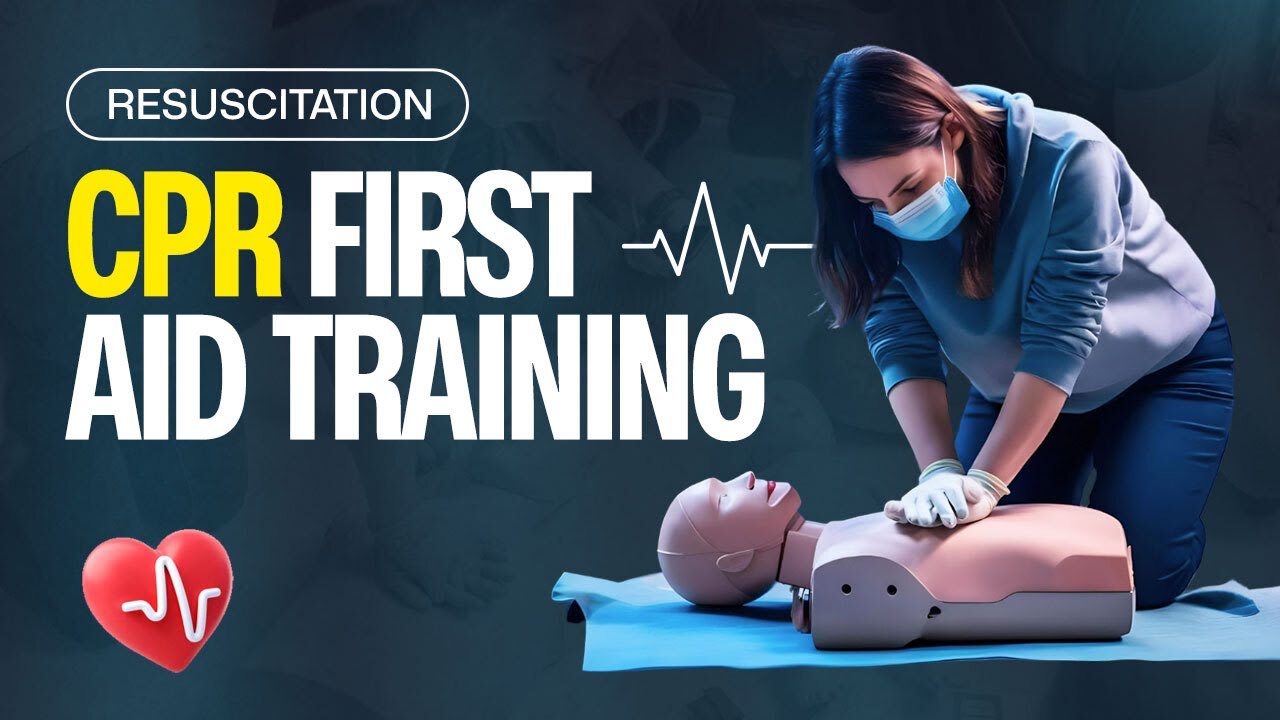
Check for security: Ensure that the location is safe for both you and the victim. Assess responsiveness: Tap the victim's shoulder gently and ask if they are okay. Call for aid: If there are bystanders nearby, ask them to call emergency situation services immediately. Open airway: Tilt the victim's head back slightly, lifting their chin. Check breathing: Look, listen, and feel for indications of breathing for no more than 10 seconds. Begin compressions: Location the heel of one hand on the center of the victim's chest and interlock your other hand on top. Compress the chest at a rate of 100-120 compressions per minute, allowing for complete recoil after each compression. Provide rescue breaths: After thirty compressions, give two rescue breaths by pinching the victim's nose closed, making a total seal around their mouth with yours, and delivering 2 mild breaths lasting about one 2nd each. Continue cycles: Alternate in between thirty compressions and two rescue breaths until expert assistance shows up or the victim reveals signs of life.What is Very first Aid?
First help refers to the instant care offered to a sick or hurt person before expert medical help can be obtained. It aims to maintain life, prevent more damage, and promote recovery. First aid skills are important in emergency circumstances and can make a substantial difference in outcomes.
What are some typical first aid techniques?
First help strategies vary depending upon the scenario, however here are some typical ones:
CPR: As discussed earlier, CPR is a vital first aid technique that can conserve lives. Heimlich maneuver: This method is used to dislodge an item blocking someone's airway. Bandaging: Properly applying bandages can help manage bleeding and safeguard injuries from infection. Splinting: Splints are utilized to debilitate broken bones or sprained joints, lowering discomfort and avoiding further injury. Burn care: Dealing with burns with cool running water and covering them with sterilized dressings assists minimize discomfort and avoid infection.Why should I take a CPR and first aid course?
Taking a CPR and first aid course provides various benefits:
Life-saving skills: Learning CPR and first aid equips you with the knowledge and skills to possibly conserve lives. Confidence: Knowing what to do in emergency situation circumstances can boost your confidence and allow you to take quick, definitive action. Employability: Numerous occupations, such as health care, childcare, and lifeguarding, require CPR and first aid certification. Safety in the house: Having these abilities at home ensures that you can provide instant care to your liked ones in case of an emergency.
How can I discover a CPR and first aid course?
To discover a CPR and first aid course near you, consider the following alternatives:
Local companies: Contact local medical facilities, community centers, or fire departments to inquire about upcoming courses. Online platforms: Many trusted organizations offer online CPR and first aid courses that enable you to learn at your own speed from the comfort of your home. Workplaces: Some companies offer CPR and first aid training for their workers. Inquire with your company about any offered courses.Can I take CPR and first aid courses online?
Yes, there are a number of trustworthy online platforms that offer certified CPR and first aid courses. These online courses typically consist of educational videos, interactive quizzes, and assessments to ensure you grasp the Online first aid and CPR course Gold Coast necessary principles. However, it is essential to guarantee that the online course you choose is acknowledged by appropriate authorities.
How long does it require to finish a CPR and first aid course?
The duration of CPR and first aid courses varies depending on the level of accreditation you seek. Standard courses may require anywhere from 4-8 hours of training, while advanced certifications can take numerous days or weeks to complete.
Conclusion
CPR and first aid courses are necessary for anybody aiming to get life-saving abilities or gain a better understanding of emergency situation treatments. By finding out these strategies, you can potentially make a substantial distinction in someone's life throughout critical moments. Whether you select to take a course in person or online, the understanding and skills acquired will unquestionably prove important. So, do not hesitate to enroll in a CPR and first aid course today and progress gotten ready for emergencies.
FAQs
1. What is the HLTAID011 certification? The HLTAID011 accreditation is an accredited first aid course that covers important topics such as CPR, handling emergency situation situations, and providing first aid support. It is acknowledged by numerous industries and workplaces.
2. How long does a first aid course certificate remain valid? First aid certificates generally have a validity period of 3 years. After this period, individuals are encouraged to renew their certification to remain up-to-date with the most recent strategies and protocols.
3. Can I take a first aid course specifically for childcare providers? Yes, there are specific first aid courses offered that cater to the special needs of child care providers. These courses cover topics such as pediatric CPR, injury avoidance, and common youth illnesses.
4. Are there any online CPR courses offered in Gold Coast? Yes, there are online platforms that use CPR courses particularly customized for citizens Online first aid training Gold Coast of Gold Coast. These courses offer thorough training and certification options from the convenience of your own home.
5. Is it needed to have CPR certification for work in the education sector? While requirements might differ depending on the specific function or organization, many educational settings need workers to hold legitimate CPR accreditation due to their responsibility for the well-being of students.
6. Can I take an online first aid course if I lie outside of Gold Coast? Definitely! Online first aid courses are available from anywhere as long as you have a web connection. You can enlist in these courses regardless of your location.
In conclusion, CPR and first aid courses play an essential function in gearing up people with life-saving skills and empowering them to respond successfully throughout emergency situations. By acquiring accreditation in these locations, you not only boost your employability but also contribute to the safety and well-being of those around you. So, take the initial step towards ending up being a qualified very first aider today and be prepared to make a difference when it matters most.